How Long Does Ceramic Tint Last in South Florida Cars?
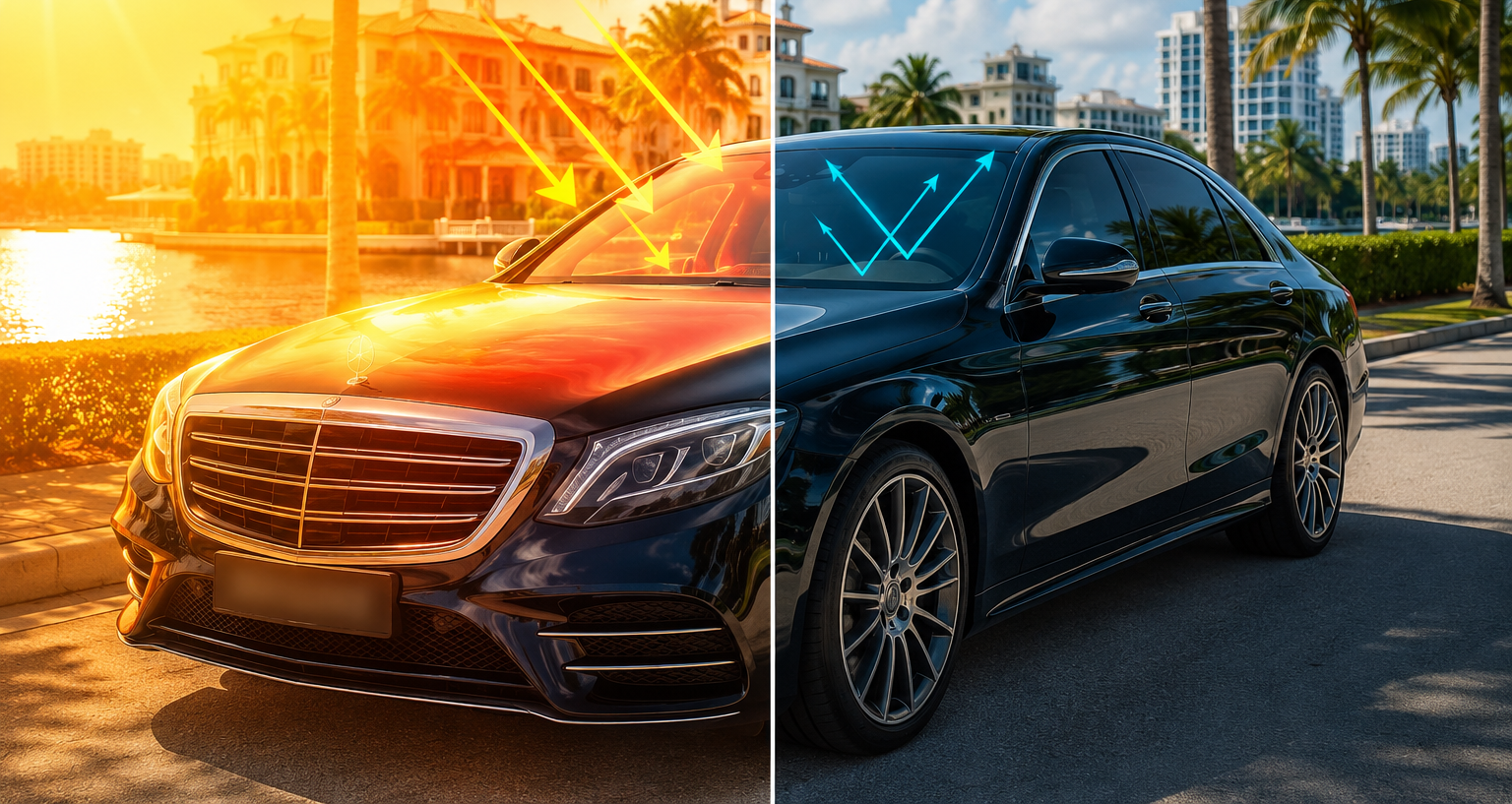
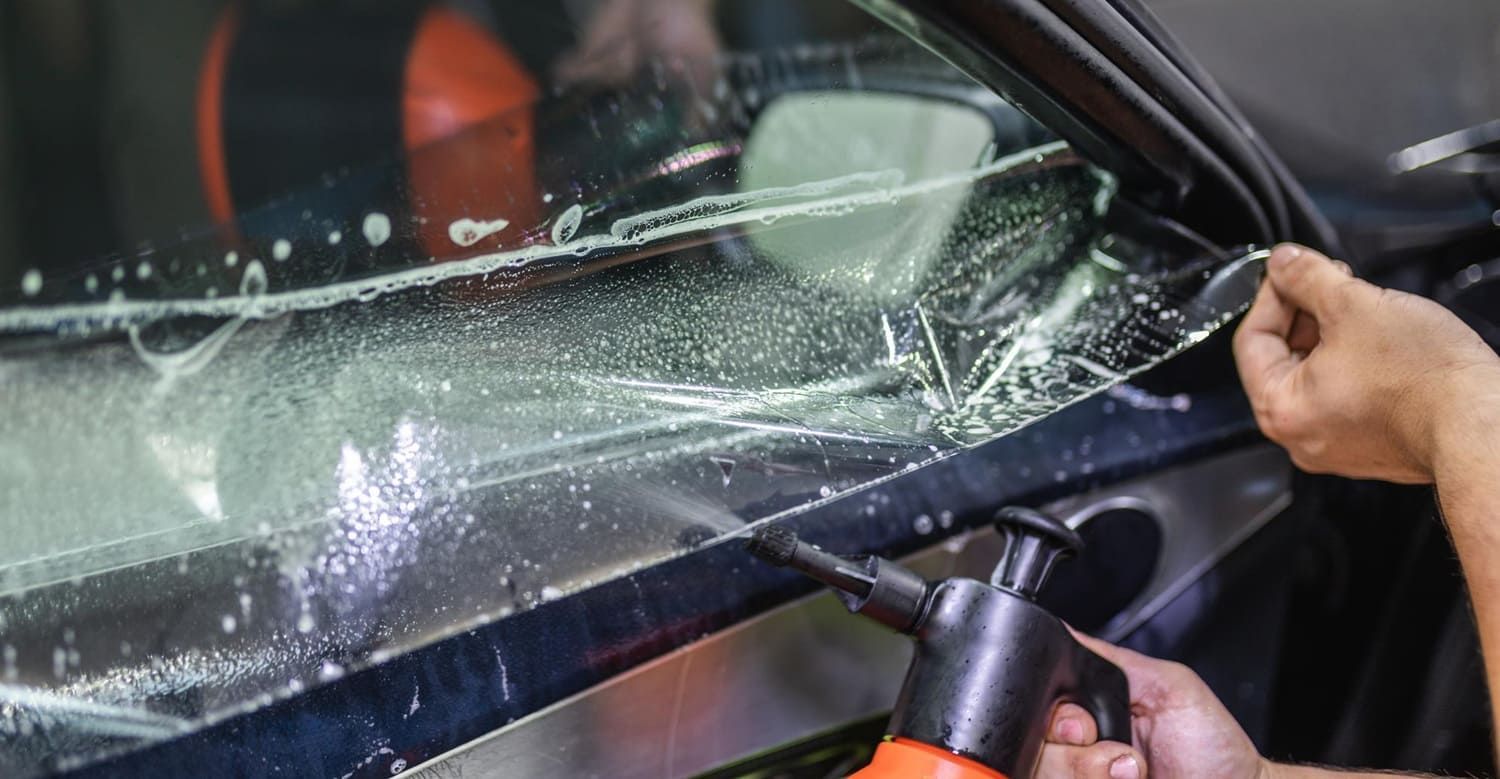
If you are asking how long does ceramic tint last in South Florida cars, the short answer is that high quality ceramic film often lasts 10 years or longer, and in many cases can perform well for the life of the vehicle when it is professionally installed and properly cared for. That matters in Boca Raton and across South Florida, where intense heat, heavy humidity, salt air, and year round UV exposure put extra stress on automotive window film. Cheaper tint products frequently show problems much sooner, including bubbling, purple discoloration, hazing, or peeling within just a few years. By comparison, ceramic tint can be a smart long term investment for drivers who want better comfort, cleaner appearance, and more reliable performance. Still, longevity is not automatic. Film quality, installer skill, warranty coverage, daily sun exposure, parking habits, and maintenance all play a major role in how long your tint will really last.
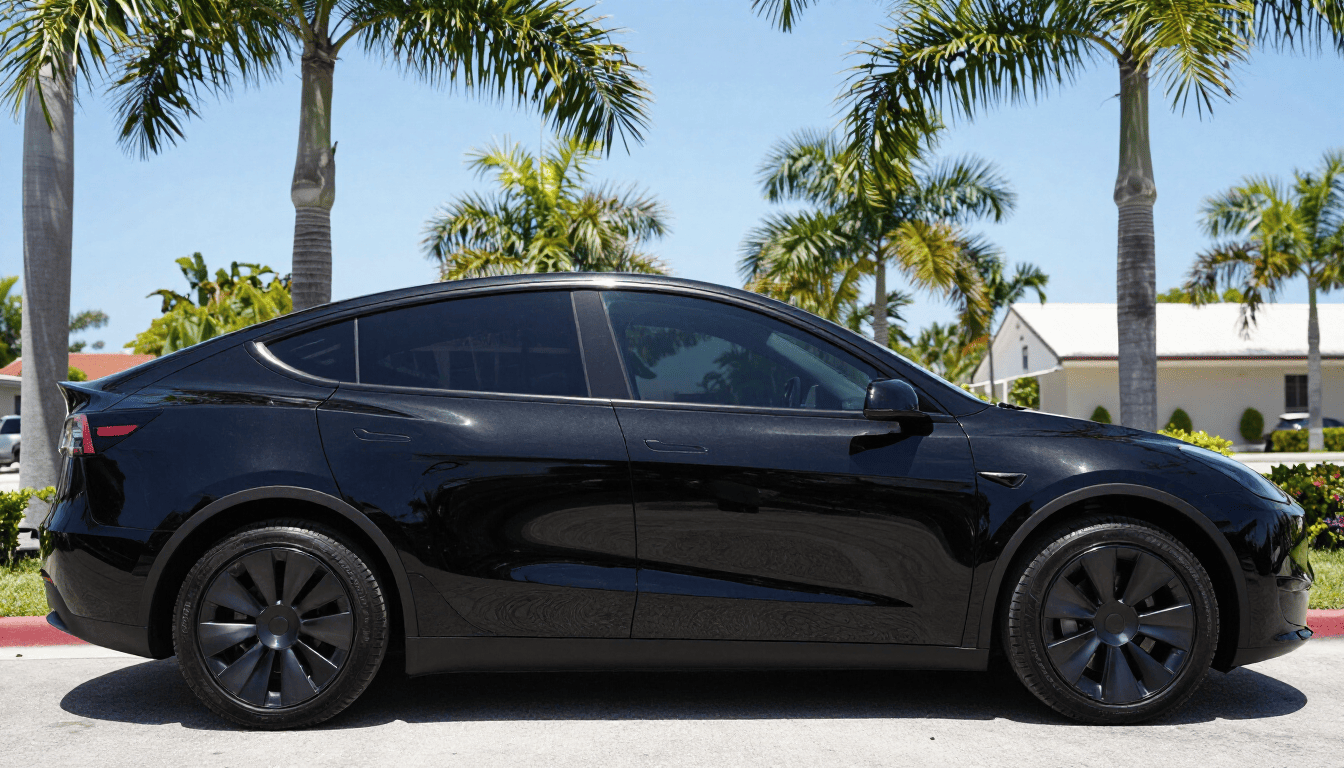
Table of Contents
Why South Florida's Climate Is Especially Hard on Window Tint
South Florida is one of the toughest environments in the country for automotive window film. Car owners in Boca Raton, Delray Beach, Boynton Beach, and nearby communities deal with high solar intensity almost every month of the year. Unlike colder climates where window tint gets long seasonal breaks, Florida vehicles sit under strong sunlight in every season.
Constant UV exposure accelerates aging
UV radiation breaks down lower grade dyes, adhesives, and film layers over time. This is one reason budget tint often turns purple or loses its original color. When people search for does ceramic tint fade , they are usually comparing premium ceramic products to cheaper dyed films that struggle under prolonged UV exposure. Ceramic window tint is designed for better color stability, which is especially valuable in Florida.
Heat and humidity stress the adhesive system
Window tint is not just a dark layer on glass. It is a multi layer product that depends on stable bonding. South Florida heat can superheat glass and interior surfaces, while humidity and moisture challenge weak adhesives. Over time, poor materials or rushed installation can lead to edge lift, bubbling, or distortion. This is why the best car tint for Florida heat is not simply the darkest film. It is the film that can maintain its structure, appearance, and performance year after year.
Daily driving conditions add wear
Frequent use of power windows, beach parking, salt in the air, interior cleaners, and long workday exposure all add to the wear pattern. A garage kept car may see very different results than a vehicle parked outdoors all day. In South Florida, longevity is always tied to real world use, not just the label on the box.
How Long Ceramic Tint Actually Lasts
For most drivers, realistic ceramic tint lifespan in Florida is about 10 to 15 years for premium film, with some installations lasting even longer depending on vehicle use and care. That range is far better than many low cost tint products, which may start looking worn or visibly defective in as little as 2 to 5 years in harsh Florida conditions.
Realistic lifespan by film quality
Not all ceramic films are equal. Entry level products marketed as ceramic may offer some performance benefits but not the same long term durability as premium brands. Higher end film lines generally use better materials, stronger coatings, and more stable construction. For South Florida drivers who want long lasting ceramic tint, product line matters just as much as installer experience.
What warranty expectations should look like
A strong car window tint warranty can be a useful quality signal, but it should be read carefully. Many premium ceramic films include a lifetime limited manufacturer's warranty against specific defects such as bubbling, peeling, cracking, adhesive failure, and abnormal discoloration. That does not mean every issue is covered in every situation. Damage from misuse, improper cleaning, accidents, defroster abuse, or unauthorized removal may not be included.
For Boca Raton drivers who want a premium option, West Boca Tint & Accessories uses LLumar SelectPro FormulaOne ceramic window tint products. LLumar SelectPro FormulaOne is positioned as a high end solution for long lasting heat rejection, fade resistant color stability, strong UV protection, and a lifetime limited manufacturer's warranty when professionally installed through the authorized network. That combination is one reason many drivers consider it a smart upgrade over bargain film.
Expected longevity for FormulaOne ceramic lines
| FormulaOne Series | Ceramic Content | Heat Rejection | Expected Longevity |
|---|---|---|---|
| Stratos | Advanced nano ceramic construction | Premium heat rejection for high solar environments | 10 to 15+ years with professional installation and proper care |
| Pinnacle | Ceramic based premium film | High heat rejection with strong everyday comfort benefits | 10 to 15+ years with professional installation and proper care |
| Classic | Non ceramic traditional film | Moderate heat reduction depending on shade | Varies by use and conditions, generally less longevity than premium ceramic lines |
| Air Series | Ceramic technology for lighter, more transparent applications | Heat rejecting performance in a lighter appearance | Long term durability expected when properly installed and maintained |
When people ask how long does ceramic tint last , the best answer is that a premium product installed correctly should be treated as a long term vehicle upgrade, not a short cycle cosmetic add on.
Ceramic Tint Versus Dyed and Metalized Tint
The reason longevity differs so much between tint types comes down to materials and design. Dyed, metalized, and ceramic films are built very differently, and those differences show up quickly in South Florida weather.
Dyed tint
Dyed film is usually the most affordable option, which is why it remains common. It can improve appearance and provide some glare reduction, but it is also the most likely to fade, discolor, or turn purple over time in high UV environments. In Florida, dyed tint often has the shortest useful lifespan.
Metalized tint
Metalized film typically performs better than basic dyed film in durability and heat management, but it can create drawbacks related to signal interference. Some drivers notice issues with phone reception, GPS, radio, or electronic toll systems depending on the product and vehicle. Metalized film can also have a more reflective look that not every car owner wants.
Ceramic tint
Ceramic film is widely considered the premium category because it combines strong heat rejection, excellent optical clarity, and better resistance to discoloration than budget alternatives. For drivers researching ceramic window tint Boca Raton , this is usually the category chosen for comfort, appearance, and long term value.
| Tint Type | Average Lifespan in Florida Conditions | Fade and Discoloration Resistance | Heat Rejection Performance | UV Protection Level | Signal Interference with Phone, GPS, Radio | Clarity and Optical Quality | Typical Cost Range |
|---|---|---|---|---|---|---|---|
| Ceramic Window Tint | About 10 to 15+ years | Excellent | High to premium | High | Minimal to none | Excellent | Higher upfront investment |
| Dyed Window Tint | About 2 to 5 years | Low to moderate | Basic | Moderate | None | Fair to good initially | Lowest cost |
| Metalized Window Tint | About 5 to 10 years | Moderate to good | Moderate to high | Good | Possible depending on film and vehicle | Good | Mid range |
From a value standpoint, ceramic typically costs more at the beginning but can cost less over time because it does not need to be replaced as often. That is a major reason it is often recommended as the best car tint for Florida heat for drivers who plan to keep their vehicles for years.
Signs Your Tint Is Failing
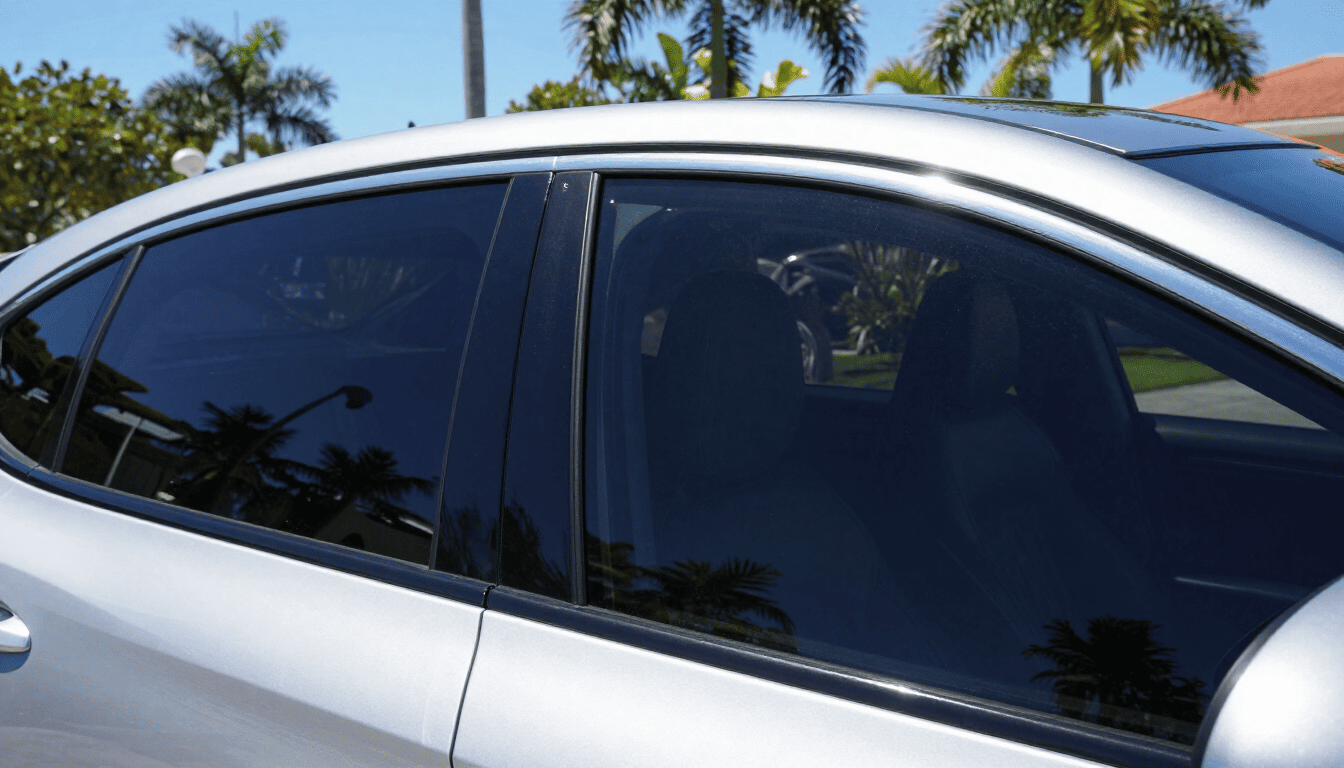
Even quality tint should be inspected occasionally, especially in a climate like South Florida. Recognizing early failure signs can help you decide whether you need warranty service, repair guidance, or replacement.
Bubbling
Bubbles are one of the most obvious warning signs. They often appear when adhesive performance breaks down or when contamination was trapped during installation. Small bubbles rarely improve on their own and usually indicate failure in progress.
Purple discoloration
Purple tint is strongly associated with aging dyed film. This happens as unstable dyes break down under UV exposure. Premium ceramic products are chosen in part because they are much less prone to this problem.
Peeling at the edges
Peeling usually starts around corners or along the top edge of the window. It can result from poor film handling, improper curing, low quality adhesive, or years of mechanical wear from rolling windows up and down.
Hazing and reduced clarity
Failing tint may start to look cloudy, distorted, or milky, especially when viewed in direct sunlight or at night under headlights. Optical clarity matters for both appearance and safe visibility, so hazing should not be ignored.
Other issues worth watching include uneven color, scratches in soft outer layers, or visible contamination trapped beneath the film. If a car owner asks, how do I know if my tint is failing , these are the first defects to check.
What Affects How Long Ceramic Tint Lasts
The answer to how long does ceramic tint last depends on more than just the brand name. Several real world factors can extend or shorten service life significantly.
Installation quality
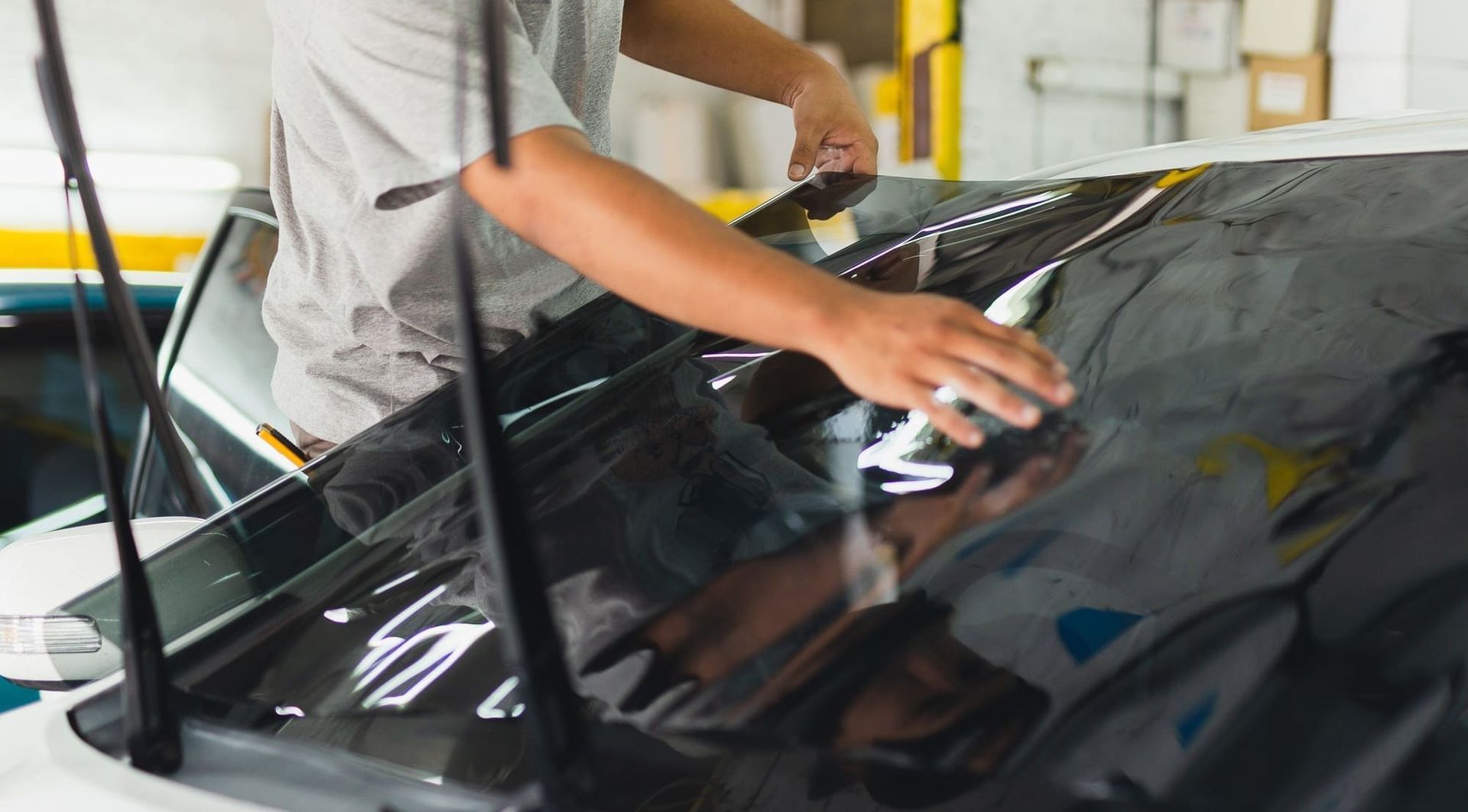
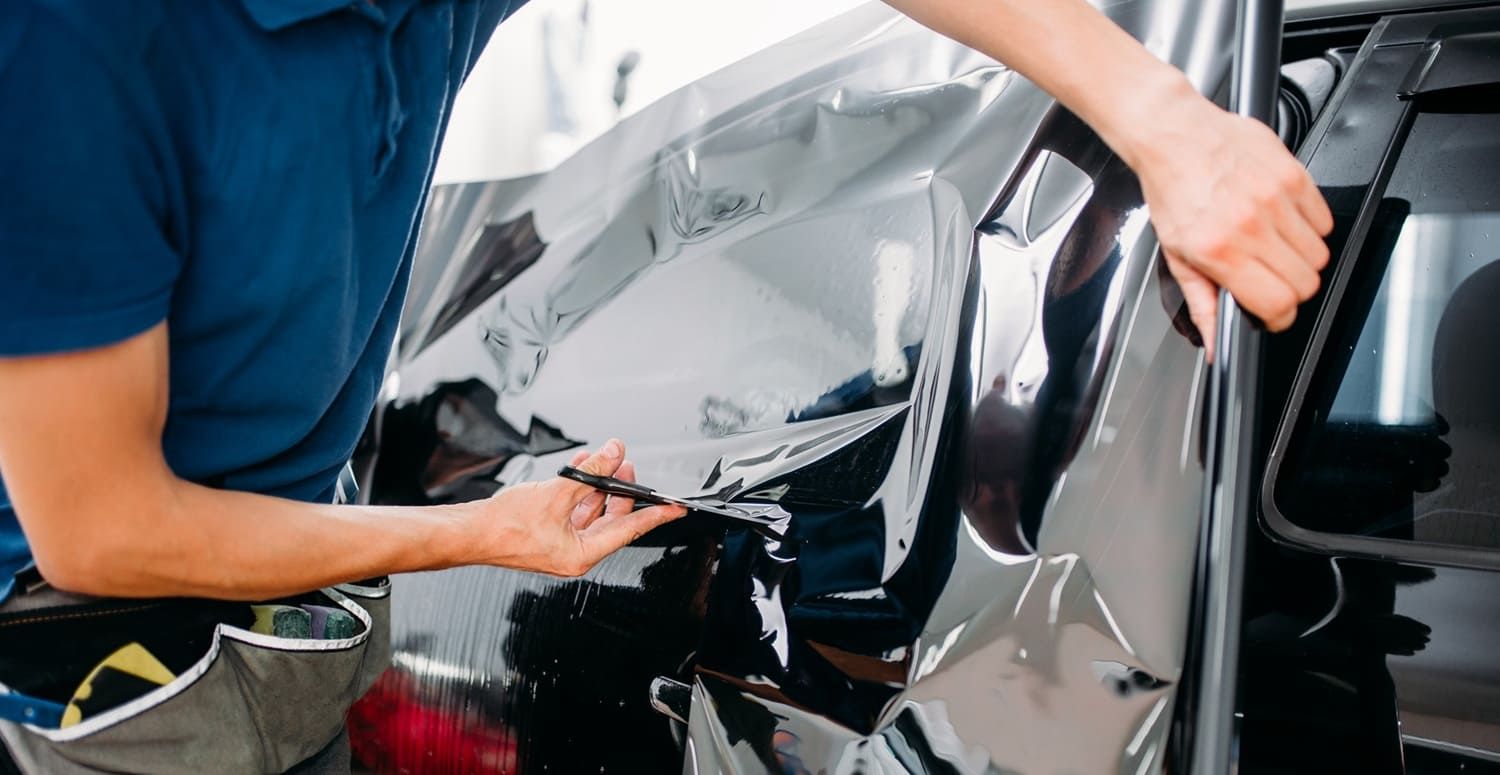
Professional installation is one of the biggest factors in ceramic tint lifespan Florida drivers should care about. Even premium film can fail early if the glass is not cleaned correctly, if the installer rushes the application, or if edges are poorly finished. Precise shrinking, dust control, clean trimming, and proper cure time all matter.
Film grade and manufacturer quality
Higher grade films are built for stronger durability, more stable color, and better long term performance. That is why authorized premium systems such as LLumar SelectPro FormulaOne are often chosen by drivers who want confidence in both product quality and warranty support.
Car care habits
Abrasive cleaners, harsh ammonia based chemicals, rough towels, and scraping tools can all shorten tint life. So can constantly lowering windows before the film fully cures after installation. Good care habits help preserve both appearance and warranty eligibility.
Parking and sun exposure
A vehicle parked outdoors all day in direct sun will generally age its tint faster than one parked in a garage or under shade. South facing driveways, beach lots, and open work parking areas can all increase heat load over time. That does not mean ceramic tint is a poor choice. It means premium film becomes even more valuable in these conditions.
Vehicle usage patterns
Ride share vehicles, delivery vehicles, and commuter cars that spend long hours on the road often put more stress on tint than lightly used personal vehicles. Frequent window movement can also increase wear near the edges and seals.
How to Extend the Life of Your Ceramic Tint After Installation
If you want your tint to look clean and perform well for the long haul, follow a few simple post installation practices. These steps help protect your investment and support the longest possible service life.
Follow the curing instructions carefully
After installation, avoid rolling down the windows until your installer says it is safe. During the curing period, slight haziness or small water pockets can be normal. Disturbing the film too early can create permanent issues.
Use tint safe cleaning methods
Clean the inside glass with a soft microfiber towel and tint safe cleaner. Avoid ammonia based products and rough scrub pads. Gentle cleaning is one of the easiest ways to preserve clarity and prevent premature wear.
Reduce unnecessary heat load when possible
Whenever practical, park in covered areas, use a windshield shade, or choose partial shade during long stops. These habits can reduce constant thermal stress, especially during South Florida summers.
Inspect the film periodically
Check edges, corners, and sight lines a few times a year. Catching early bubbling, discoloration, or peeling can help you address problems before they become more severe.
FAQ
How many years does ceramic tint last in Florida?
Premium ceramic tint often lasts about 10 to 15 years or longer in Florida, depending on film quality, installation quality, and how the vehicle is used and maintained.
Does ceramic tint turn purple like cheap tint?
Quality ceramic film is much more resistant to purple discoloration than low grade dyed tint. Purple fading is more commonly associated with cheaper dyed products exposed to strong UV over time.
Is ceramic tint worth the extra cost in South Florida?
For many drivers, yes. The higher upfront cost often brings better heat rejection, better color stability, stronger comfort benefits, and a longer replacement cycle than cheaper alternatives.
Can ceramic tint bubble or peel over time?
Yes, any film can fail under certain conditions, but premium ceramic tint installed correctly is less likely to bubble or peel prematurely than lower grade film or poor installation work.
Does parking in the sun shorten tint life?
Yes. Constant direct sun exposure can increase heat stress and accelerate wear. Garage parking or shaded parking can help extend the life of your tint.
What can void a window tint warranty?
Warranty terms vary, but common issues can include misuse, improper cleaning, physical damage, unauthorized removal, or damage unrelated to a manufacturing defect. Always review the specific warranty details.
How is ceramic tint different from dyed tint?
Ceramic tint generally offers better heat rejection, better clarity, stronger resistance to fading and discoloration, and longer service life. Dyed tint is usually less expensive but tends to wear out faster in Florida conditions.
Will ceramic tint interfere with GPS or phone signals?
Ceramic tint is generally chosen in part because it has little to no signal interference, unlike some metalized films that may affect electronics depending on the product and vehicle.
How do I know when my tint is failing?
Look for bubbling, peeling, purple discoloration, hazing, cloudy appearance, edge lift, or visual distortion. These are common signs that the film is aging or failing.
How often should car window tint be replaced?
Replacement timing depends on film type and condition. Cheap dyed tint may need replacement within a few years in South Florida, while premium ceramic tint may last a decade or much longer before replacement is necessary.
For Boca Raton drivers trying to decide on the best car tint for Florida heat , the main takeaway is simple. Ceramic tint is usually the better long term investment when you value comfort, appearance, durability, and fewer replacement headaches. In South Florida's sun, humidity, and year round UV exposure, lower cost tint may save money at first but often wears out faster and looks worse sooner. A professionally installed premium film, especially a long lasting ceramic tint backed by a strong car window tint warranty , can deliver better value over time. If you are comparing options for ceramic tint lifespan Florida drivers can realistically expect, or want trusted guidance on ceramic window tint Boca Raton solutions, contact West Boca Tint & Accessories for a free estimate using LLumar SelectPro FormulaOne ceramic window tint.