
Best Tint Percentages for Night Driving Glare Reduction in Boca Raton, FL
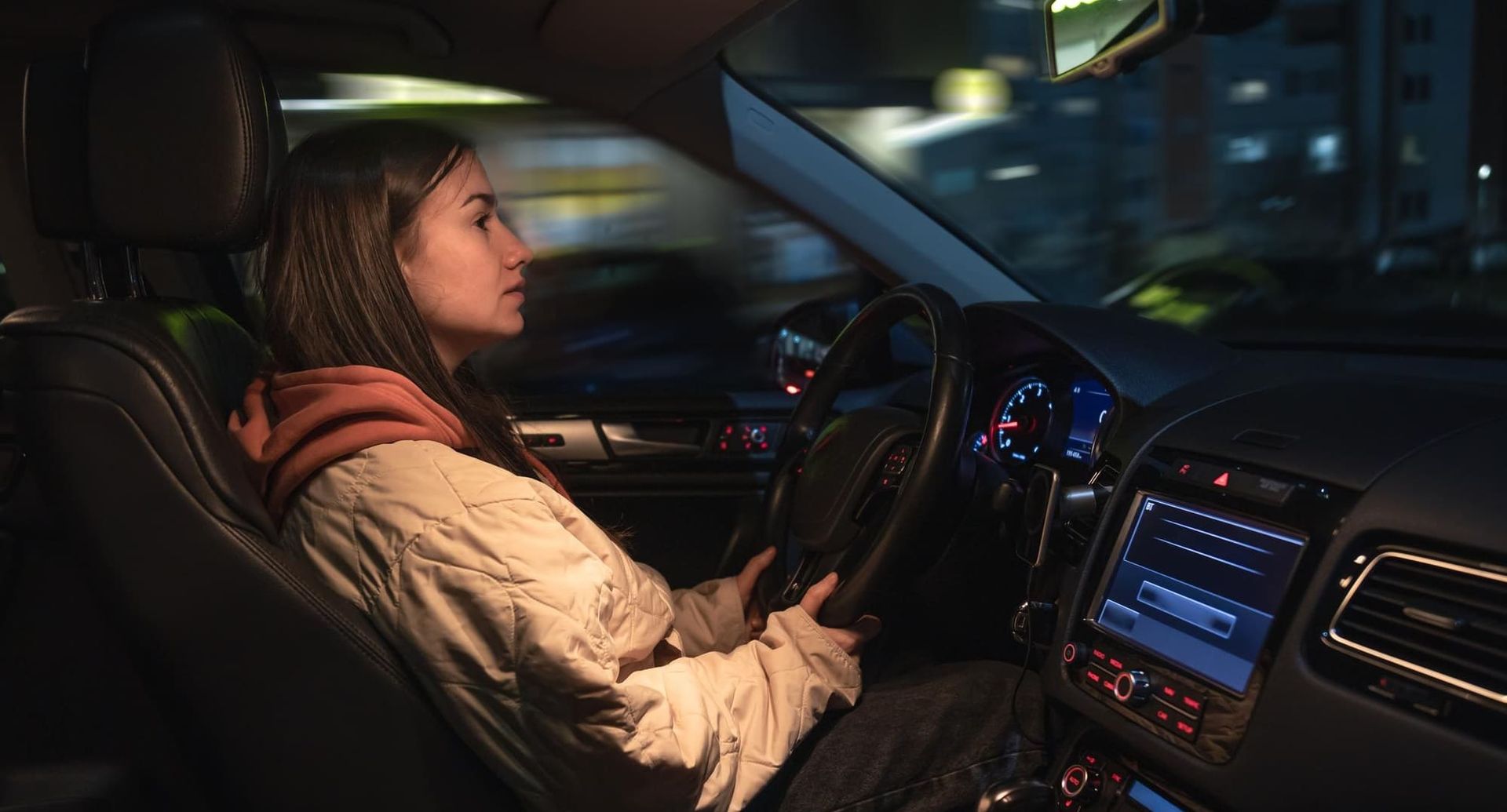
Glare from oncoming headlights, streetlights bouncing off wet pavement, and the sudden brightness of a gas station canopy at 9 p.m. — these are everyday realities for drivers in and around Boca Raton. Naturally, that leads to one of the most common questions we hear at West Boca Tint & Accessories: which tint percentage actually reduces glare at night, without making it harder to see?
It's a fair concern. Tint that's too dark can hurt visibility after sunset, while tint that's too light won't do much for glare at all. As an Authorized
LLumar SelectPro Film Dealer offering the exclusive FormulaOne line — Stratos, Pinnacle, Classic, and Air Series — we install film across every legal VLT range, and we get asked daily which percentage is the sweet spot for Boca Raton's mix of highway commuting, late errands, and long South Florida evenings. Below, we break it down by the numbers.
What Does "Tint Percentage" Actually Mean?
When people ask about "tint percentage," they're almost always referring to VLT — Visible Light Transmission. This is the amount of light that passes through your window and film combined, expressed as a percentage. A 35% VLT film lets 35% of outside light through; a 5% VLT film (sometimes called "limo tint") lets through only 5%.
Here's the part that trips people up: a
lower percentage means a
darker tint. So when someone asks for "20% tint," they're asking for a shade darker than 35% but lighter than 5%. Understanding this scale is the first step to picking the right level for glare reduction, since darkness and glare control aren't always the same thing.
Florida's Legal Tint Percentages
Before choosing a shade for glare reduction, it helps to know what Florida law actually allows, since going too dark isn't just a visibility issue — it's a ticket waiting to happen.
Legal limits for sedans
- Windshield: Non-reflective film only, above the manufacturer's AS-1 line
- Front side windows: Must allow more than 28% VLT
- Back side windows: Must allow more than 15% VLT
- Rear window: Must allow more than 15% VLT
Legal limits for SUVs and vans
- Windshield: Non-reflective film only, above the AS-1 line
- Front side windows: Must allow more than 28% VLT
- Back side windows: Must allow more than 6% VLT
- Rear window: Must allow more than 6% VLT
Reflectivity is also capped at 25% on front windows and 35% on back windows, and colored tint isn't permitted anywhere in the state. These numbers set the outer boundary — but within that legal range, the specific percentage you choose still has a real effect on nighttime glare.
Does a Darker Tint Percentage Reduce Glare More?
Not necessarily — and this is where a lot of drivers get it wrong. Glare reduction depends on two things: the darkness (VLT) and the quality of the film itself. A cheap, dark dyed film can actually make nighttime glare worse by scattering light unevenly, while a well-engineered ceramic film at a lighter, fully legal percentage can cut glare significantly through better optical clarity and infrared filtering.
That means the "best" percentage isn't a single universal number — it depends on which film technology it's paired with. A 35% ceramic film can outperform a 20% dyed film for nighttime clarity, even though the dyed film is technically darker.
Best Tint Percentages by Film Type for Night Glare
Here's how common percentage ranges perform for glare reduction after dark, based on the film categories we install most often in the Boca Raton area.
| VLT Percentage | Film Type | Night Glare Reduction | Legal for Front Windows in FL? | Best Use |
|---|---|---|---|---|
| 50% (Air Series) | Ceramic, near-clear | Light glare reduction, maximum visibility | Yes | Daytime UV protection with minimal visual change |
| 35% (Stratos/Pinnacle) | Nano-ceramic | Strong glare reduction with high clarity | Yes | Best all-around choice for front + back windows |
| 28–30% (Stratos/Pinnacle) | Nano-ceramic | Strong glare reduction, still clear at night | Yes (minimum for front windows) | Drivers wanting darker front windows at the legal edge |
| 20% (Classic/dyed or ceramic) | Dyed or ceramic | Noticeable glare cut, dyed film may reduce clarity | Legal for back windows only | Rear windows, privacy-focused drivers |
| 5–15% ("limo tint") | Dyed or ceramic | Maximum privacy, but can reduce mirror visibility at night | Legal for back windows on sedans (15%) or SUVs (6%) only | Rear windows and rear windshield only |
For most Boca Raton drivers asking specifically about glare reduction at night, we typically recommend 28–35% ceramic film on the front windows. It sits comfortably within Florida's legal minimum, cuts a meaningful amount of headlight and streetlight glare, and — unlike dyed film at the same percentage — maintains the clarity you need for safe night driving.
Why Ceramic Film Outperforms Other Types at the Same Percentage
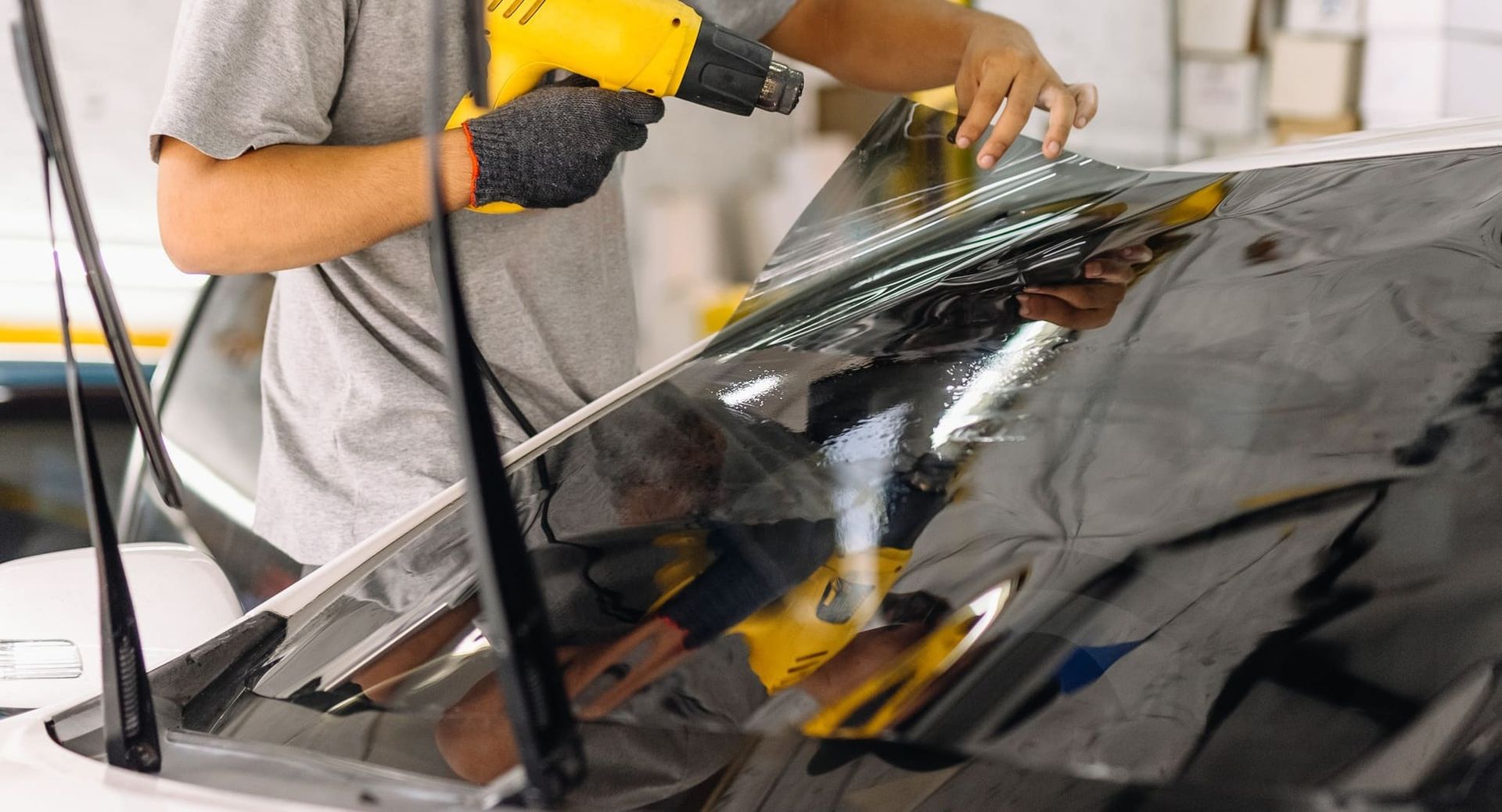
Ceramic film, like our FormulaOne Stratos and Pinnacle series, uses nano-ceramic particles instead of dye or metal to control heat, UV, and glare. That distinction matters more at night than most drivers realize:
- Dyed film absorbs light unevenly, which can create a duller, lower-contrast view of headlights and taillights.
- Metalized film can reflect and scatter light in ways that sometimes interfere with GPS, radio, or cell signal, and can create a "hot spot" glare effect under streetlights.
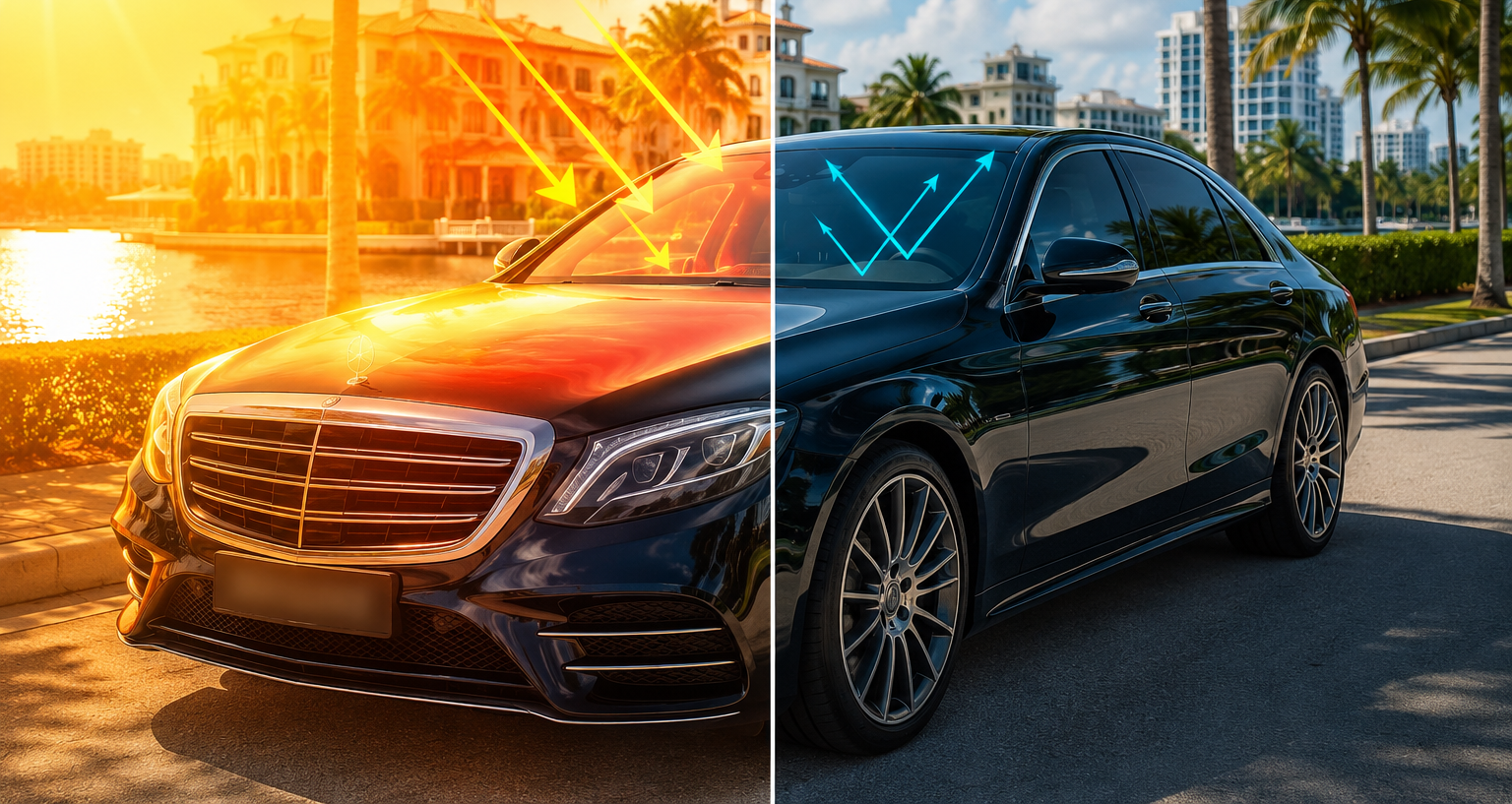
- Ceramic film filters heat and glare at the infrared and UV level rather than simply darkening the glass, which is why it can hold a lighter, fully legal percentage while still cutting real-world glare.
This is also why two cars with the "same" 35% tint can feel completely different to drive at night — the film quality behind that number does most of the work.
How to Choose Your Percentage: A Step-by-Step Approach
1. Identify your main driving conditions
Frequent night driving on highways like I-95 or the Turnpike calls for prioritizing glare-optimized ceramic film over maximum darkness. Mostly daytime driving with occasional evenings gives you more flexibility to go slightly darker.
2. Separate your front and back window goals
Front windows are capped at 28% VLT in Florida and directly affect your forward visibility — this is where film quality matters most. Back and rear windows can legally go much darker (down to 15% on sedans, 6% on SUVs/vans), which is where most people achieve the "dark" look they want without compromising their direct view of the road.
3. Decide how much you value clarity versus privacy
If glare reduction and nighttime visibility are the priority, lean toward 28–35% ceramic on the front. If privacy and a darker aesthetic matter more and your front windows are already covered, go darker on the back windows where the law allows it.
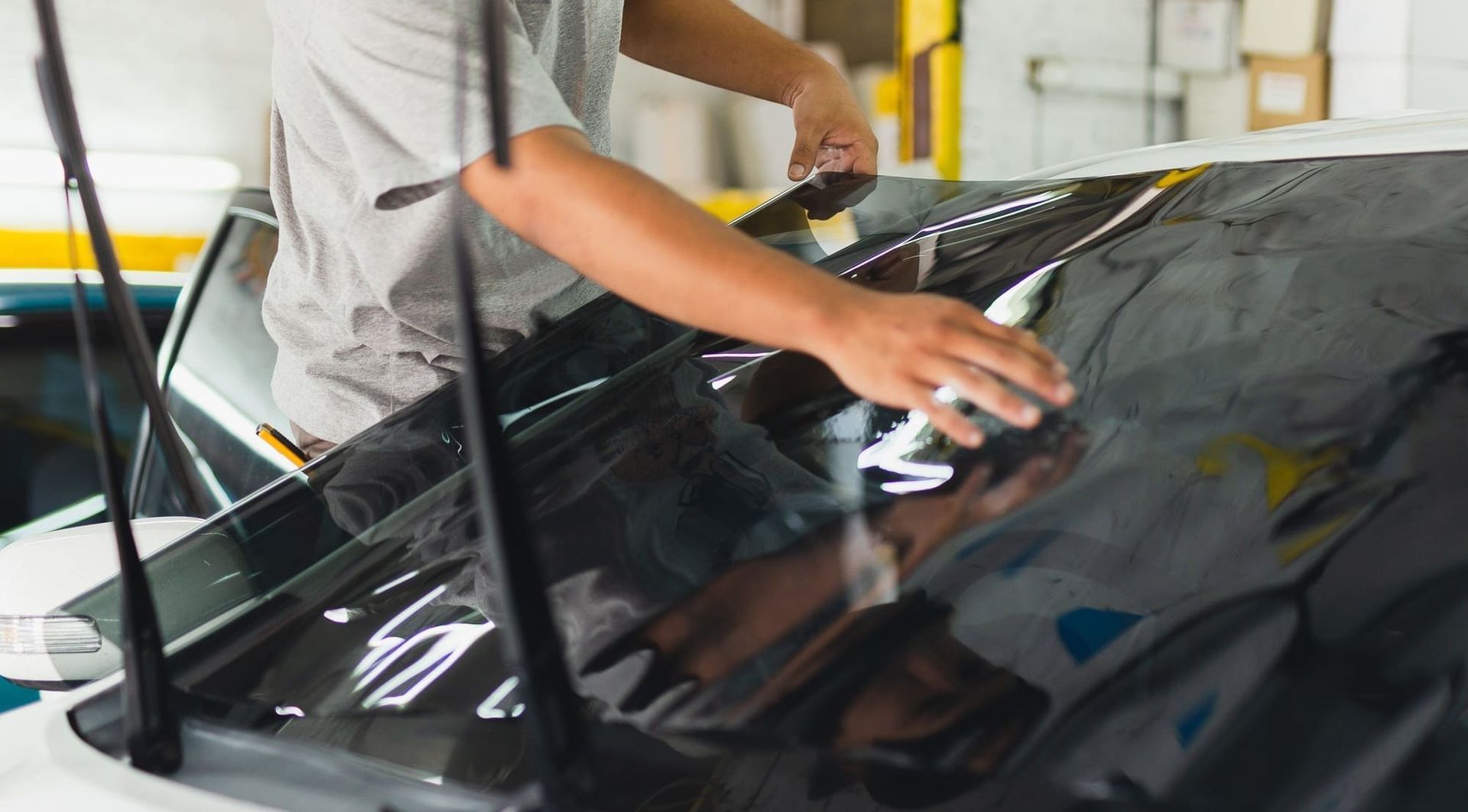
4. Have your film verified with a meter
Percentages printed on a sample swatch aren't always what ends up on your glass. A professional installer measures VLT with a calibrated meter before and after installation so you know exactly what percentage you're getting.
Common Mistakes When Choosing a Percentage for Glare Reduction
- Assuming the darkest film reduces the most glare. Past a certain point, very dark film can create more contrast problems at night, not fewer.
- Choosing based on percentage alone, ignoring film type. A 20% dyed film and a 20% ceramic film behave very differently after dark.
- Going below 28% VLT on front windows. This isn't just a visibility risk — it's a straightforward Florida traffic violation.
- Skipping a professional VLT measurement. Without a meter check, you can't be sure your installed film matches what you were sold.
Frequently Asked Questions
What tint percentage is best for reducing glare at night?
For front windows, 28–35% ceramic film generally offers the best balance of legal compliance and real glare reduction. Ceramic technology filters light more evenly than dyed film, which improves clarity under headlights and streetlights.
Is 20% tint good for night driving?
20% VLT is legal for back and rear windows in Florida but too dark for front side windows, which must stay above 28%. On rear windows, a 20% ceramic film can reduce glare well; a 20% dyed film may reduce nighttime clarity more than it helps.
Does darker tint always mean less glare?
No. Glare reduction depends on both darkness and film quality. A well-made ceramic film at a lighter, legal percentage can reduce glare more effectively than a cheaper, darker dyed film.
What's the legal tint percentage for front windows in Florida?
Front side windows must allow more than 28% VLT for both sedans and SUVs/vans. This applies at all times, including at night.
Which FormulaOne series is best for nighttime glare reduction?
Our Stratos and Pinnacle nano-ceramic series are specifically engineered for strong heat, UV, and glare control while maintaining excellent optical clarity, making them the top choice for drivers prioritizing night visibility.
Can I put darker tint on my back windows for privacy without affecting night driving safety?
Yes. Florida law allows darker film on back and rear windows (down to 15% VLT on sedans, 6% on SUVs/vans), and since these windows don't affect your direct forward view, you can go darker there for privacy without compromising the visibility that matters most while driving at night.
Conclusion and Next Steps
When it comes to reducing glare on Boca Raton's highways and side streets after dark, the right tint percentage matters — but the film behind that percentage matters just as much. For most drivers, a legally compliant 28–35% ceramic film on the front windows, paired with a darker shade on the back for privacy, delivers the best combination of glare control, UV protection, and nighttime clarity.
At West Boca Tint & Accessories, every installation is backed by our customer satisfaction guarantee and a Lifetime Limited Manufacturer's Warranty, so you can choose your percentage with confidence. Our expert installers serve drivers throughout Boca Raton and the surrounding Palm Beach County communities, using computerized cutting systems and premium LLumar SelectPro film for a precise, bubble-free finish.
Not sure which percentage is right for your vehicle and driving habits? Get a free auto tint estimate from West Boca Tint & Accessories, or
call (561) 561-8468 to talk with a technician about the best VLT and film combination for reducing glare on your nightly drive.