Does Window Tint Reduce Skin Cancer Risk While Driving? What Boca Raton Drivers Should Know
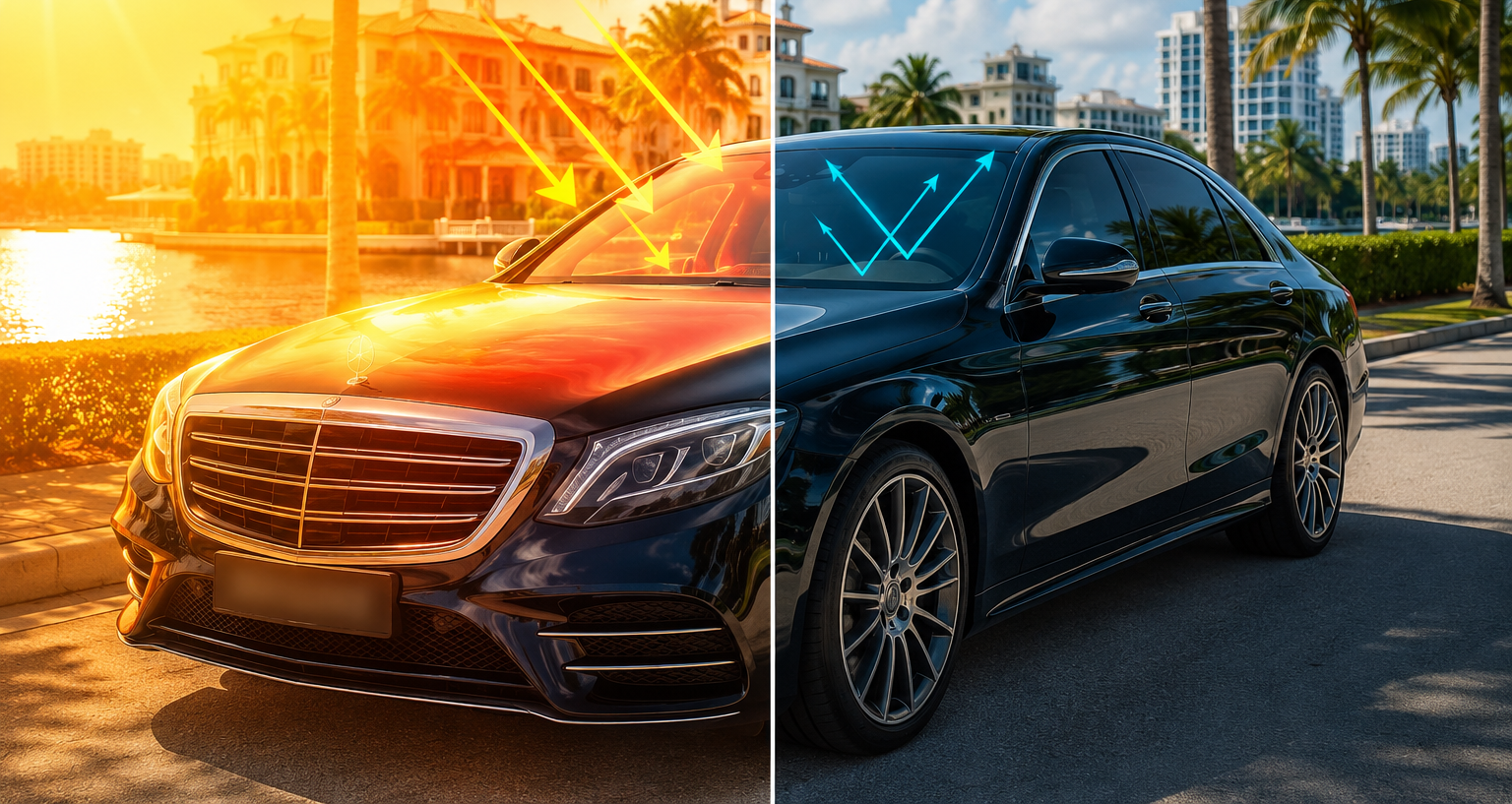
Yes. Quality window tint can help reduce your skin cancer risk while driving by blocking the ultraviolet (UV) rays that pass through your car's side and rear windows. Professional automotive films block 99% or more of UVA and UVB rays. The Skin Cancer Foundation recommends UV window film as part of a complete sun protection strategy. Tint isn't a cure-all, but for South Florida drivers who spend hours in the sun every week, it's one of the simplest and most effective ways to cut daily UV exposure.
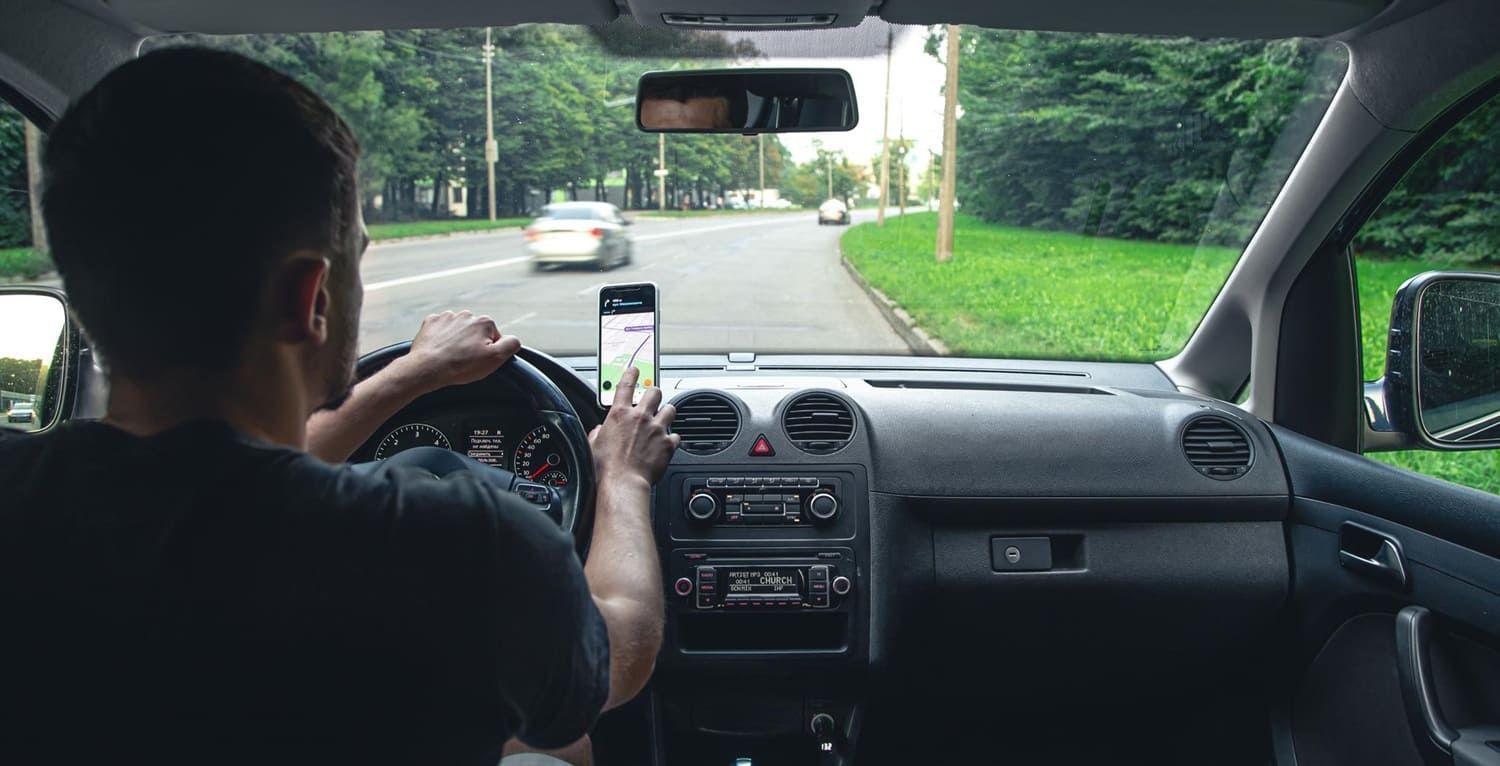
Most people think of skin cancer risk in terms of beach days and pool time. But if you commute along Glades Road, I-95, or the Turnpike, you're exposed to sunlight through your car windows almost every day of the year. Over months and years, that exposure adds up.
This guide explains:
- How UV rays get through car glass
- What research shows about drivers and sun damage
- How much protection window film provides
- Why Florida tint laws don't stop you from getting full UV protection
This article is for general educational purposes and isn't medical advice. Talk to a dermatologist about your personal skin cancer risk.
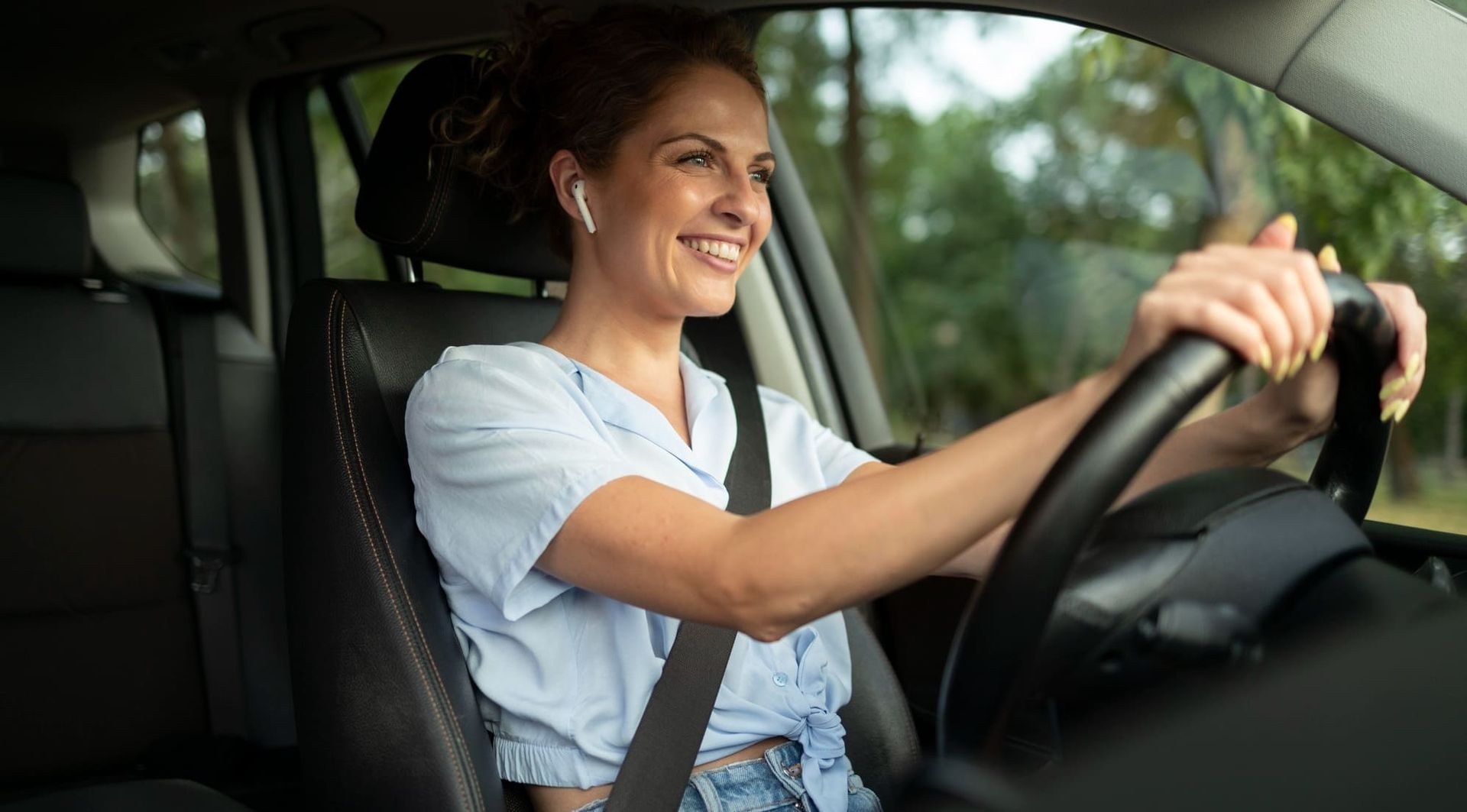
Can You Get Sun Damage Through Car Windows?
Yes. Sunlight contains two types of UV radiation that affect skin:
- UVB rays cause sunburn. Standard car glass blocks most UVB, which is why people rarely burn while driving.
- UVA rays penetrate deeper into the skin and contribute to premature aging and skin cancer. UVA passes through glass much more easily, so it reaches drivers and passengers on every trip.
Because you don't feel UVA the way you feel a sunburn, it's easy to underestimate. According to The Skin Cancer Foundation, UVA rays pass through windows and clouds year-round. In South Florida, where the sun is strong in every season, drivers get steady UVA exposure even in winter.
Which Car Windows Let In the Most UV Rays?
Not all car glass is created equal. A 2016 study published in JAMA Ophthalmology measured UVA protection in 29 vehicles from 15 manufacturers:
- Windshields blocked an average of about 96% of UVA rays. Windshields are laminated glass, with a protective layer sandwiched between two panes.
- Side windows blocked an average of only 71% of UVA, with results ranging from 44% to 96%. Side windows are usually tempered glass without that protective layer.
- Only 4 of the 29 vehicles had side windows that blocked more than 90% of UVA.
- Protection didn't line up with vehicle price. Expensive cars weren't reliably better.
| Car Glass | Typical Construction | UVA Protection (2016 JAMA Ophthalmology study) |
|---|---|---|
| Windshield | Laminated glass | About 96% on average |
| Side windows | Usually tempered glass | 71% on average (44% to 96%) |
| Factory privacy glass (rear) | Darkened glass | Designed mainly for privacy, not complete UV protection |
| Side windows with quality UV window film | Glass plus film | 99% or more |
The study's author noted the gap in side-window protection may partly explain why some drivers develop more sun damage on the side of the body facing the driver's window.
Why Do Drivers Get More Sun Damage on the Left Side?
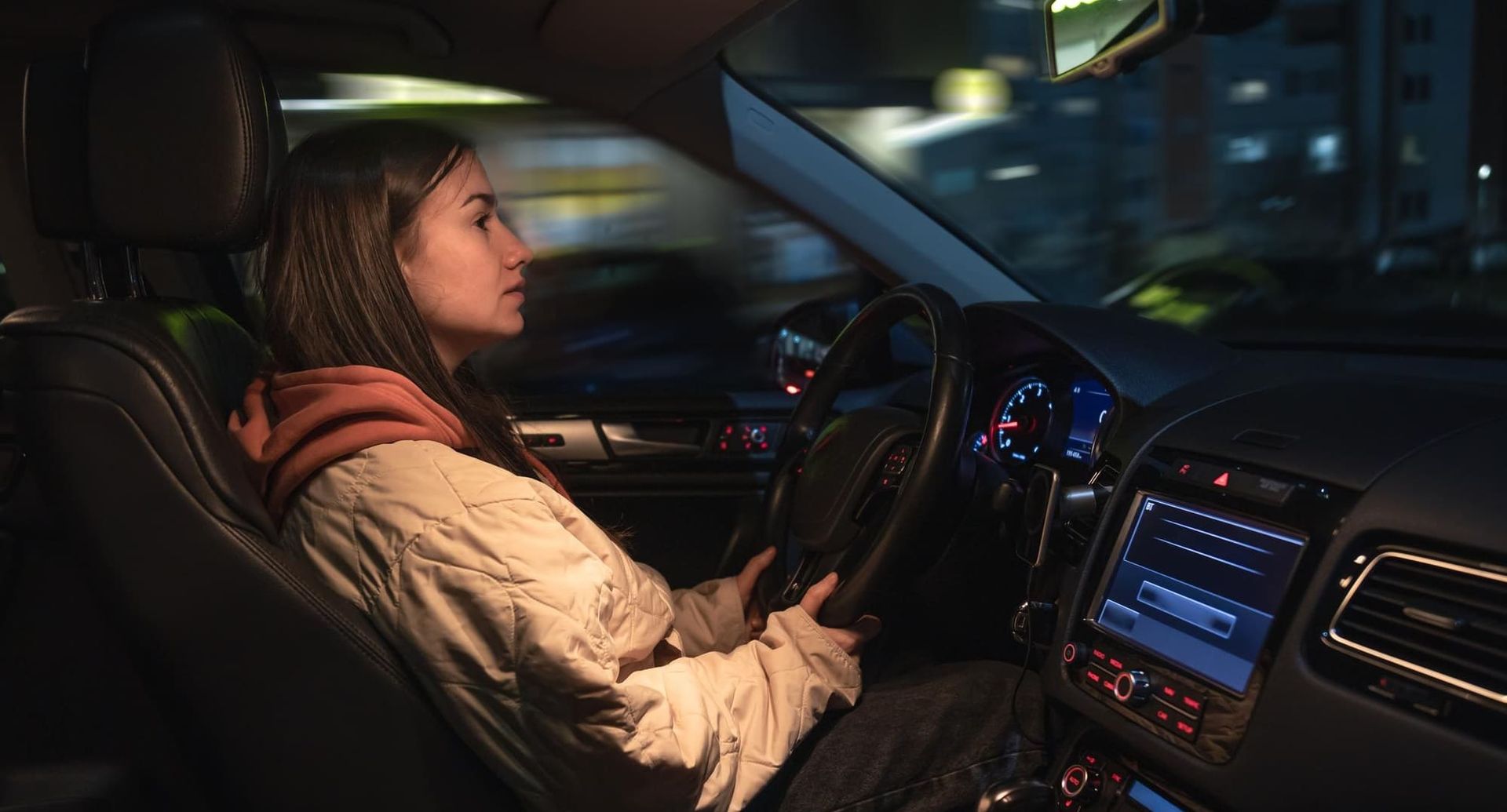
In the U.S., the driver sits on the left, so the left side of the face, neck, arm, and hand faces the driver's side window on every trip. Researchers have linked higher rates of left-sided facial skin cancer and left-eye cataracts in drivers to this repeated exposure.
The JAMA Ophthalmology study suggested that weaker UVA protection in side windows may help explain those patterns. For Florida drivers who commute daily, run errands, or drive for work, the left side of the body can receive years of steady, unprotected UVA exposure.
How Much UV Protection Does Window Tint Provide?
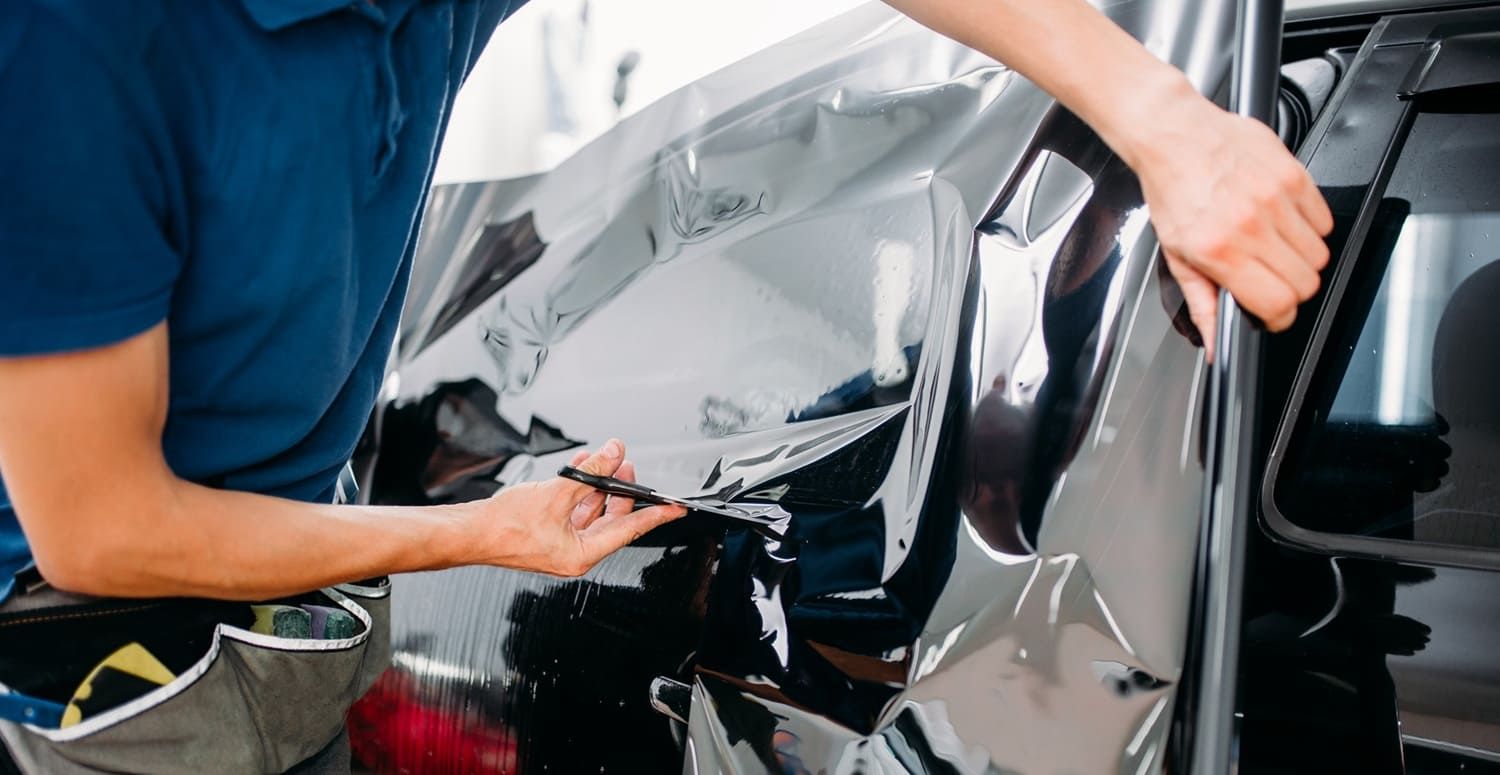
Professional automotive window film blocks 99% or more of UVA and UVB rays. Many people assume tint protects you by being dark, but darkness isn't the source of the protection. UV inhibitors are built into the film during manufacturing. That means even a clear film can block 99% of UV.
The Skin Cancer Foundation awards its Seal of Recommendation to window films that prove they block at least 99% of UVA and UVB. LLumar automotive window films, which West Boca Tint & Accessories installs, have earned that Seal.
Here's how the films we offer compare:
| Film | Type | UV Protection | Heat Rejection | Look |
|---|---|---|---|---|
| FormulaOne Pinnacle | Nano-ceramic | 99% | Outstanding | Light to dark shades |
| FormulaOne Stratos | Advanced non-metal | 99% | Excellent | Light to dark shades |
| FormulaOne Classic | Dyed | 99% | Good | Light to dark shades |
| LLumar AIR | Clear nano-ceramic | 99% | Good, with no darkening | Nearly invisible |
Every film on this list delivers the same core UV protection. Your choice comes down to how much heat and glare reduction you want and how you want your vehicle to look.
Does Factory Privacy Glass Protect Against UV Rays?
Not fully. The dark rear glass on many SUVs, crossovers, minivans, and trucks is designed mainly for privacy. It's often less protective against UV than people assume, and less protective than quality window film. That matters for families, because children often ride in the back seats.
The good news: clear or light window film can be applied directly over factory privacy glass. LLumar AIR, for example, adds 99% UV protection and extra heat rejection without changing how the glass looks.
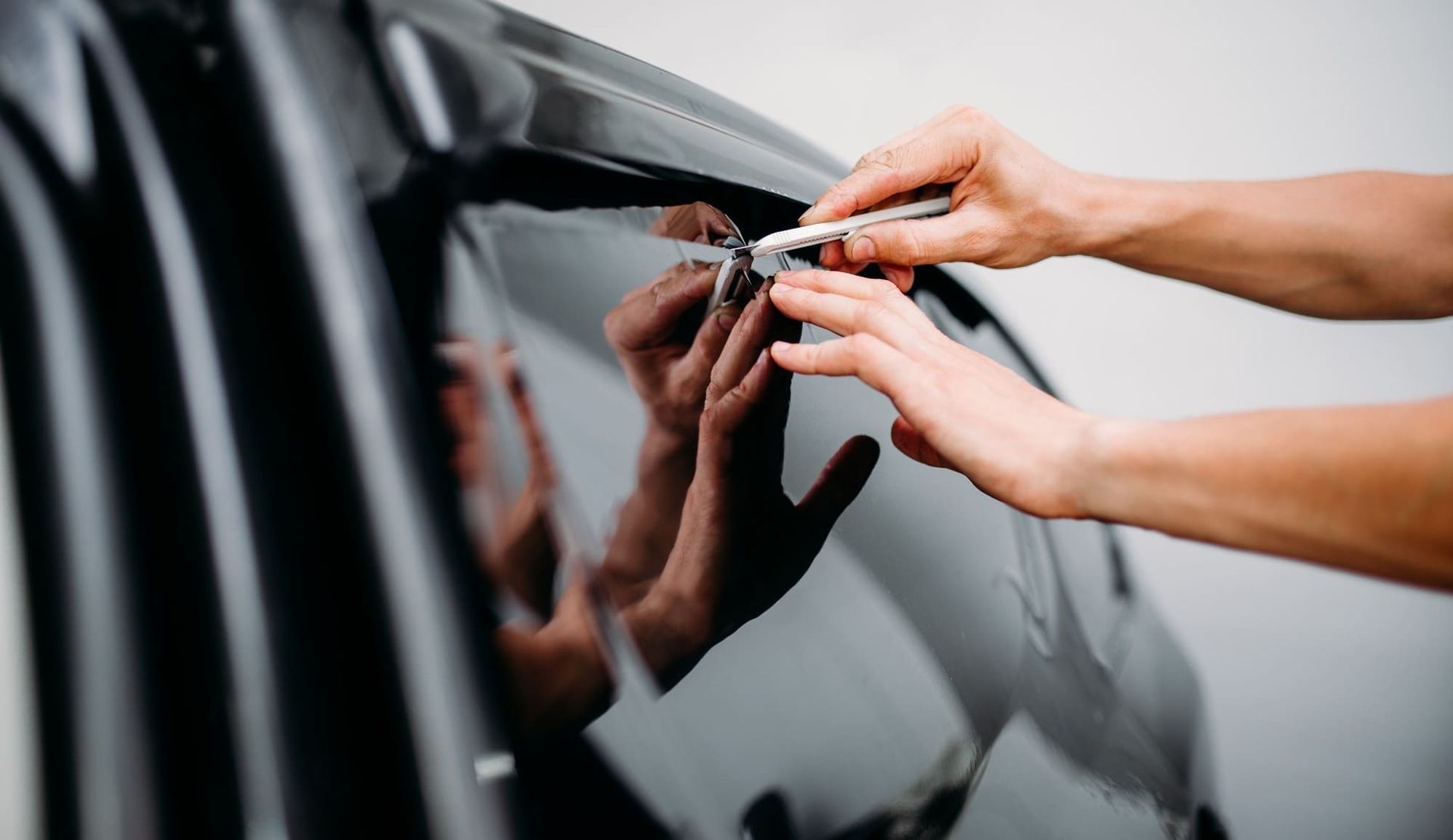
Can You Get Full UV Protection and Still Follow Florida Tint Laws?
Yes. Florida's tint laws limit how dark your windows can be, not how much UV protection they provide. Because UV blocking comes from inhibitors in the film rather than darkness, you can get 99% UV protection at any legal shade, including completely clear film.
| Window | Florida Limit (Sedans) | Florida Limit (SUVs, Trucks, Vans) | Can You Get 99% UV Protection? |
|---|---|---|---|
| Windshield | Non-reflective strip above the AS-1 line only | Same | The glass already blocks most UVA; a legal strip adds coverage at the top |
| Front side windows | Must allow more than 28% of light in | Same | Yes, with a legal shade or clear film |
| Back side windows | Must allow more than 15% of light in | Must allow more than 6% of light in | Yes |
| Rear window | Must allow more than 15% of light in | Must allow more than 6% of light in | Yes |
This is especially important for the driver's side window, which faces your skin directly and often has weaker factory UV protection. A clear or light ceramic film there gives you full UV blocking while staying well within Florida law.
How Can Drivers Build a Complete Sun Protection Plan?
Window film works best as one part of a broader sun-safety routine. The Skin Cancer Foundation recommends UV window film as part of a complete sun protection strategy, not a replacement for other habits.
1. Protect Every Window You Sit Next To
Prioritize the driver and front passenger windows, then add film to rear side windows and the rear glass, especially if children ride in back.
2. Choose a Film That Blocks 99% of UV
Look for professional films with documented UV performance, ideally ones that carry The Skin Cancer Foundation's Seal of Recommendation.
3. Keep Sunscreen in Your Car
Apply broad-spectrum sunscreen to your face, neck, arms, and hands, especially before long drives or when your windows are down.
4. Wear UV-Blocking Sunglasses
UV exposure affects your eyes too. Sunglasses with full UV protection help guard against eye damage on bright Florida days.
5. Remember That Open Windows Offer No Protection
Window film only protects you when the windows are closed. With the windows down or the top off, your skin is fully exposed.
6. Get Regular Skin Checks
Routine skin exams with a dermatologist help catch problems early. Mention how much time you spend driving.
What Other Benefits Does UV Window Film Provide?
The same film that protects your skin also improves your daily drive:
- A cooler cabin. High-performance films can reduce your car's interior temperature by up to 30°.
- Less glare. Reduced glare means less eye strain on bright mornings and late afternoons.
- Interior protection. Blocking UV helps keep dashboards, leather, and upholstery from fading and cracking.
- Privacy and security. Tint helps shield your passengers and belongings from view and helps hold glass together if it breaks.
- Lasting value. Quality film installed by trained technicians is backed by a lifetime limited manufacturer's warranty.
Why Choose West Boca Tint & Accessories?
West Boca Tint & Accessories is an authorized LLumar SelectPro dealer offering the exclusive FormulaOne line of high-performance auto tint, plus LLumar AIR clear film. We're part of the Boca Tint & Audio family, which gives local drivers two trusted shops to choose from in the Boca Raton area.
Every tint project is backed by our own customer satisfaction guarantee and a lifetime limited manufacturer's warranty. When professionally installed by our trained technicians, our FormulaOne films are guaranteed not to change color, bubble, or crack for as long as you own your vehicle. Our installers use the latest tools and techniques for cars, trucks, and SUVs.
We also offer auto electronics and accessories, including stereos, dash cams, radar detectors, and LED lighting, so you can upgrade your vehicle in one visit.
Frequently Asked Questions About Window Tint and Skin Cancer
Does window tint protect against skin cancer?
Window tint helps reduce your exposure to UV radiation, a major risk factor for skin cancer. Quality films block 99% or more of UVA and UVB rays. The Skin Cancer Foundation recommends UV window film as part of a complete sun protection strategy.
Can you get UV damage through car windows?
Yes. Car glass blocks most UVB rays, but UVA rays pass through, especially through side windows. A 2016 study found side windows blocked only 71% of UVA on average.
Does darker tint block more UV rays?
No. UV protection comes from inhibitors in the film, not from darkness. Clear films like LLumar AIR block 99% of UV rays.
Is my windshield already protecting me from UV?
Mostly. Laminated windshields blocked about 96% of UVA on average in the 2016 study. Side windows are the bigger concern.
Does factory tinted glass block UV rays?
Factory privacy glass is designed mainly for privacy and may not provide complete UV protection. Adding window film increases UV blocking to 99%.
Should I still wear sunscreen in the car if I have window tint?
Yes, especially when your windows are open or on long drives. Window film works best alongside sunscreen, sunglasses, and regular skin checks.
Protect Your Skin Every Time You Drive
Window tint does help reduce skin cancer risk while driving. It blocks 99% of the UVA and UVB rays that reach your skin through side and rear windows. Because protection comes from the film's technology rather than its darkness, you can get full UV blocking while staying within Florida tint law, even with a completely clear film.
Ready to protect yourself and your passengers on every drive? Contact West Boca Tint & Accessories for a free estimate:
- Call: (561) 561-TINT (8468)
- Visit: 10042 Spanish Isles Blvd, Suite D8, Boca Raton, FL 33498
- Hours: Monday–Saturday, 9 a.m.–5 p.m.