Window Tint Laws: What’s Legal in Florida in 2026?
Understanding
Florida window tint laws is critical for every driver in Boca Raton and throughout the Sunshine State. Regulations surrounding
car window tinting are regularly updated, driven by advances in film technology, safety research, and changes in state legislation. What was legal a few years ago may no longer be compliant today—which is why staying informed is essential to avoid costly fines or forced removal of your tint.
In a place like Boca Raton, where intense sunlight and high temperatures are a daily reality, the right window tint can dramatically
improve comfort, reduce UV exposure, and protect your vehicle’s interior. However, selecting a tint that’s both effective and legal requires up-to-date knowledge of the latest rules, including changes coming in 2026. This comprehensive guide breaks down everything South Florida drivers need to know for window tint compliance, so you can stay safe, comfortable, and on the right side of the law.
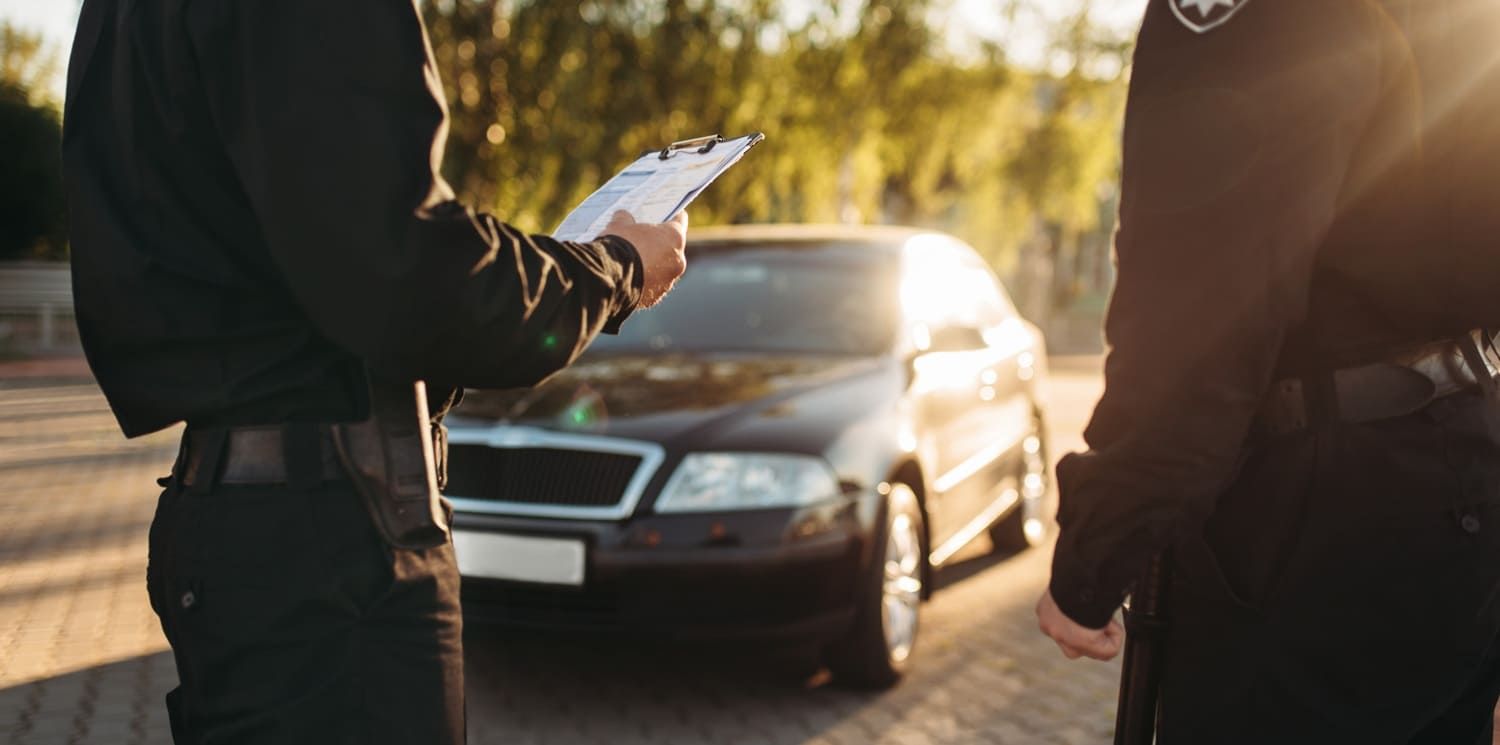
Table of Contents
- 1. Overview: 2026 Florida Window Tint Laws and Recent Changes
- 2. Legal Visible Light Transmission (VLT) for Cars, SUVs, and Trucks
- 3. Windshield Tint Rules: AS 1 Line and Visibility Requirements
- 4. Reflectivity, Tint Colors, and Restricted Films
- 5. Enforcement, Tint Meter Checks, and Fines
- 6. Medical Exemptions: Who Qualifies and How to Apply
- 7. Choosing Compliant Tint: Comfort & Heat Protection Options
- 8. Florida Window Tint Law FAQ for 2026
- 9. Conclusion & Next Steps
1. Overview: 2026 Florida Window Tint Laws and Recent Changes
Florida window tint laws have evolved to balance aesthetics, driver comfort, public safety, and law enforcement visibility. As of 2026, several amendments have been enacted to reflect updated standards for visible light transmission, allowable tint colors, and enforcement protocols. These adjustments are particularly relevant for Boca Raton drivers, as the city’s tropical climate intensifies reliance on window films for interior protection and heat reduction.
The most notable change for 2026 includes revised visible light transmission (VLT) minimums and expanded guidelines for tint meter accuracy. Previous ambiguities in the law have been clarified, making compliance straightforward if you choose trusted,
professional installation in Boca Raton. It’s now more important than ever to ensure your car’s windows meet these specific standards to avoid penalties.
2. Legal Visible Light Transmission (VLT) for Cars, SUVs, and Trucks
Visible Light Transmission (VLT) is the most important number to understand when evaluating legal window tint in Florida. VLT measures the percentage of visible light allowed to pass through your vehicle’s window. Lower percentages mean
darker tints. Florida law requires different VLT minimums depending on your vehicle type:
| Vehicle Type | Front Side Windows | Rear Side Windows | Rear Window |
|---|---|---|---|
| Cars (Sedans) | 28% or higher | 15% or higher | 15% or higher |
| SUVs & Vans | 28% or higher | 6% or higher | 6% or higher |
| Trucks | 28% or higher | 6% or higher | 6% or higher |
It’s critical to check both your front and rear side windows, as well as your rear windshield, for legal compliance. Differences by vehicle class mean that
tint options chosen for your sedan may not be valid on your SUV or truck. Always confirm your VLT percentage at installation and request documentation from your Boca Raton tint professional.
3. Windshield Tint Rules: AS 1 Line and Visibility Requirements
Florida law is strict regarding windshield tinting. Tint is only permitted above the manufacturer’s AS 1 line, typically running across the top of your windshield, and it must not extend below this mark. No opaque or highly reflective strip is allowed; only a non-reflective tint may be applied within this area.
The logic behind strict windshield tint laws is safety. Unobstructed visibility is necessary for both drivers and law enforcement. Boca Raton’s bright sun can make sun strips or clear UV films attractive, but these must be compliant with Florida’s clear definition of permitted coverage. Remember, the AS 1 line is usually etched into the glass for ease of reference during inspections and enforcement stops.
4. Reflectivity, Tint Colors, and Restricted Films
Florida places limits not just on darkness but also on tint reflectivity and color. Modern tint films can increase reflectivity to reduce heat and glare, but state law prevents tints from being more than 25% reflective. Highly mirrored or metallic-looking films are not permitted, as they can cause road glare and pose dangers for other motorists.
Certain tint colors and films are outright prohibited in Florida. Red, blue, and amber films are illegal, and reflective or mirrored appearances should be avoided. Compliant choices include smoke, charcoal, or light-neutral tint colors formulated for high heat rejection without excessive reflectivity. Working with a Boca Raton shop guarantees your selection matches the legal requirements and keeps your car looking classy, not flashy.
5. Enforcement, Tint Meter Checks, and Fines
Law enforcement officers use tint meters to measure VLT during traffic stops or vehicle inspections. Beginning in 2026, Florida’s law ensures all law enforcement tint meters are regularly calibrated for accuracy, and officers will check both driver and passenger windows for compliance.
Fines for improper tint can range from $116 to $250 per violation, and repeat offenders may face mandatory tint removal and inspection. Enforcement is stricter near schools, hospitals, and during nighttime checkpoints. Always keep your installation documentation in the vehicle to show proof of compliance if questioned.
6. Medical Exemptions: Who Qualifies and How to Apply
Certain medical conditions qualify for exemptions from standard window tint rules. If you or a family member requires added protection from sunlight due to a diagnosed condition, Florida offers a formal application process. You must provide certification from a licensed physician, submit it to the Florida Department of Highway Safety and Motor Vehicles, and receive a registered decal for your car’s window.
Documentation must be available at all times, and exemptions apply only to the vehicle registered under your name. Medical tint may exceed standard darkness limits but remains subject to general visibility and reflectivity requirements.
7. Choosing Compliant Tint: Comfort & Heat Protection Options
Even with Florida’s strict rules, high-quality tint films offer substantial
heat and UV rejection without exceeding legal limits. Modern
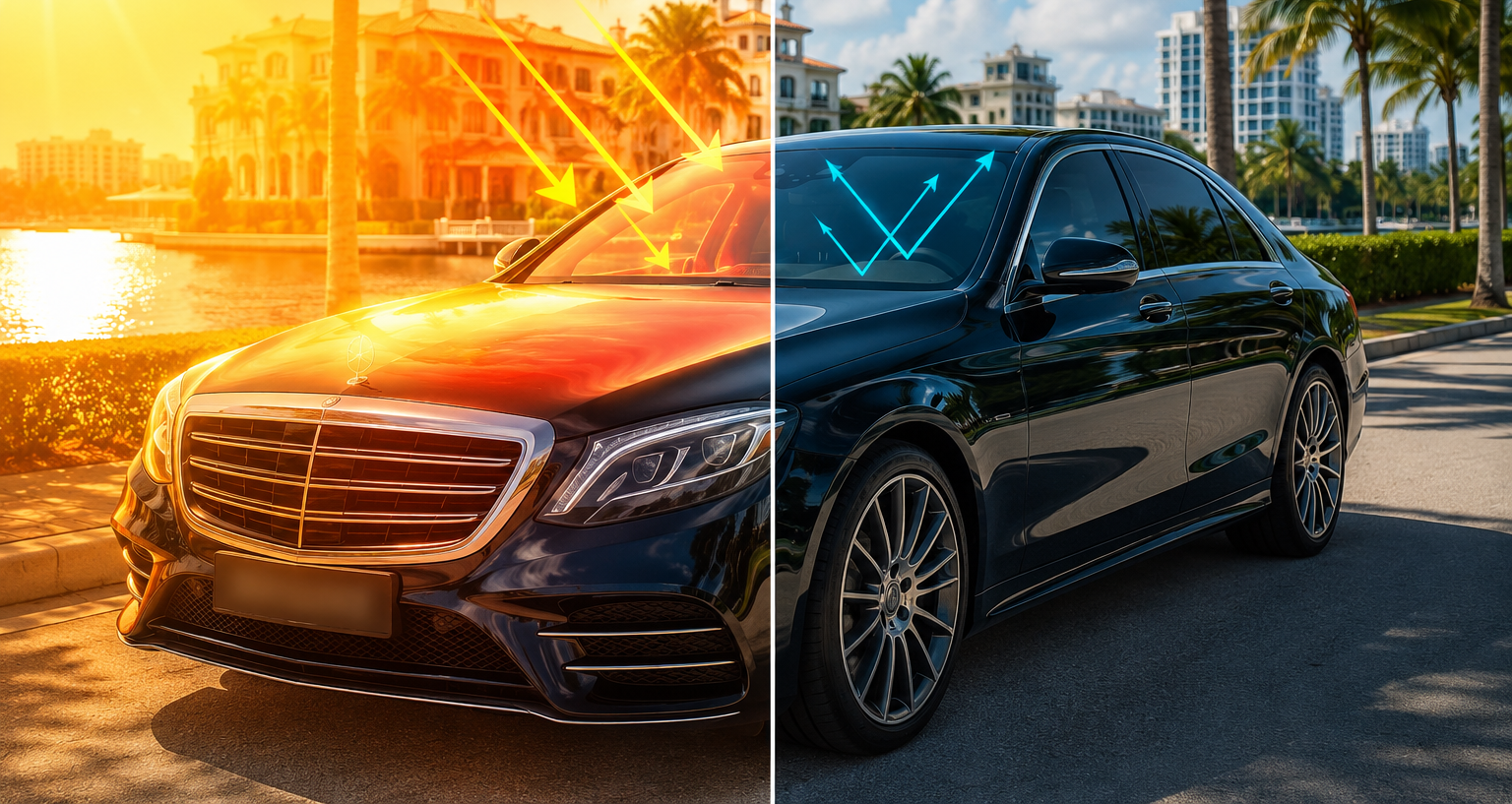
ceramic and nano-technology tints provide high protection and optical clarity at legal VLT percentages. Ask your Boca Raton installer about options certified for maximum heat and UV rejection that still meet the law.
Recommended products for 2026 include premium ceramic films (like LLumar FormulaOne or similar) with VLT percentages of 28% or higher for front windows. These block up to 99% of UV rays and significant heat, keeping interiors comfortable year-round. Always request a certificate of compliance after installation to present during any traffic stops in South Florida.
| Tint Film Type | Heat Rejection | UV Block | Legal VLT |
|---|---|---|---|
| Standard Dyed | 35-55% | 98% | Yes |
| Ceramic | 50-85% | 99% | Yes |
| Metalized | 60-80% | 98% | Risk: Reflectivity |
8. Florida Window Tint Law FAQ for 2026
How is car window tint measured in Florida?
Tint is measured using a handheld VLT meter placed against the window to check the percentage of visible light passing through both the tint film and glass combined.
Do I need to remove tint installed before 2026 if it meets new rules?
As long as your existing tint complies with new minimum VLT and reflectivity standards, no removal is needed. Films below the new limit must be replaced.
Are truck and SUV tint laws different from sedan rules?
Yes. Rear windows for SUVs and trucks can be darker (as low as 6% VLT), while sedans require 15% VLT or higher in the rear.
Can I tint my entire windshield in Florida?
No. Only the area above the AS 1 line can have non-reflective tint. The main field of view must remain clear.
What colors of window tint are illegal in Florida?
Red, blue, and amber tints are strictly prohibited. Neutral colors like smoke or charcoal are legal.
What happens if I get pulled over for illegal tint?
You may be fined and required to remove non-compliant tint. Repeat violations may lead to mandatory inspection and higher penalties.
How do I obtain a medical exemption?
Contact your physician for certification, then apply to the Florida DMV. Display the official exemption decal at all times in your vehicle window.
Does legal tint make it hard to see at night?
High-quality films with legal VLT are designed to preserve night visibility while blocking heat and glare during the day.
Is factory glass tint included in compliance measurements?
Yes. The combination of film and glass VLT must meet the legal minimum; factory glass tint counts toward the total.
Does West Boca Tint and Accessories offer compliant tint?
Yes. Certified installers provide compliant, legal window tint for Boca Raton drivers and help ensure you have proper documentation.
Conclusion & Next Steps
Florida window tint laws for 2026 are clear, strict, and designed to balance driver comfort with road safety. By following updated VLT and reflectivity standards, selecting approved tint colors, and keeping proper documentation, you can enjoy all the benefits of premium window tint in Boca Raton—without risking fines or forced removal. If you have questions or want professional, fully legal installation, contact West Boca Tint & Accessories in Boca Raton today. Our experienced team provides expert guidance, installs Florida-compliant window tint, and offers a free estimate to ensure maximum protection, comfort, and complete peace of mind on the road.